Has the Modern Sloth Forfeited the True Splendour of Yoga?
The modern age has developed a most unfortunate habit of mistaking simple comfort for genuine recovery through the rise of a cushioned approach that promises transformation without the indignity of physical effort. To any practitioner trained in the rigorous school of old, this is not yoga at all but rather a form of expensive napping, because the human body does not yield its secrets to kindness but only to the firm and unwavering command of the will. This contemporary obsession with "listening to one’s body" is too often a thinly veiled excuse for sloth, since a body pampered by modern convenience will invariably demand that its owner sit down and cease all meaningful exertion. We must be particularly vigilant against the cultural tendency, often observed in our own Indian context, to confuse the pursuit of internal peace with a simple, inherited lethargy that shuns the heat of true discipline.
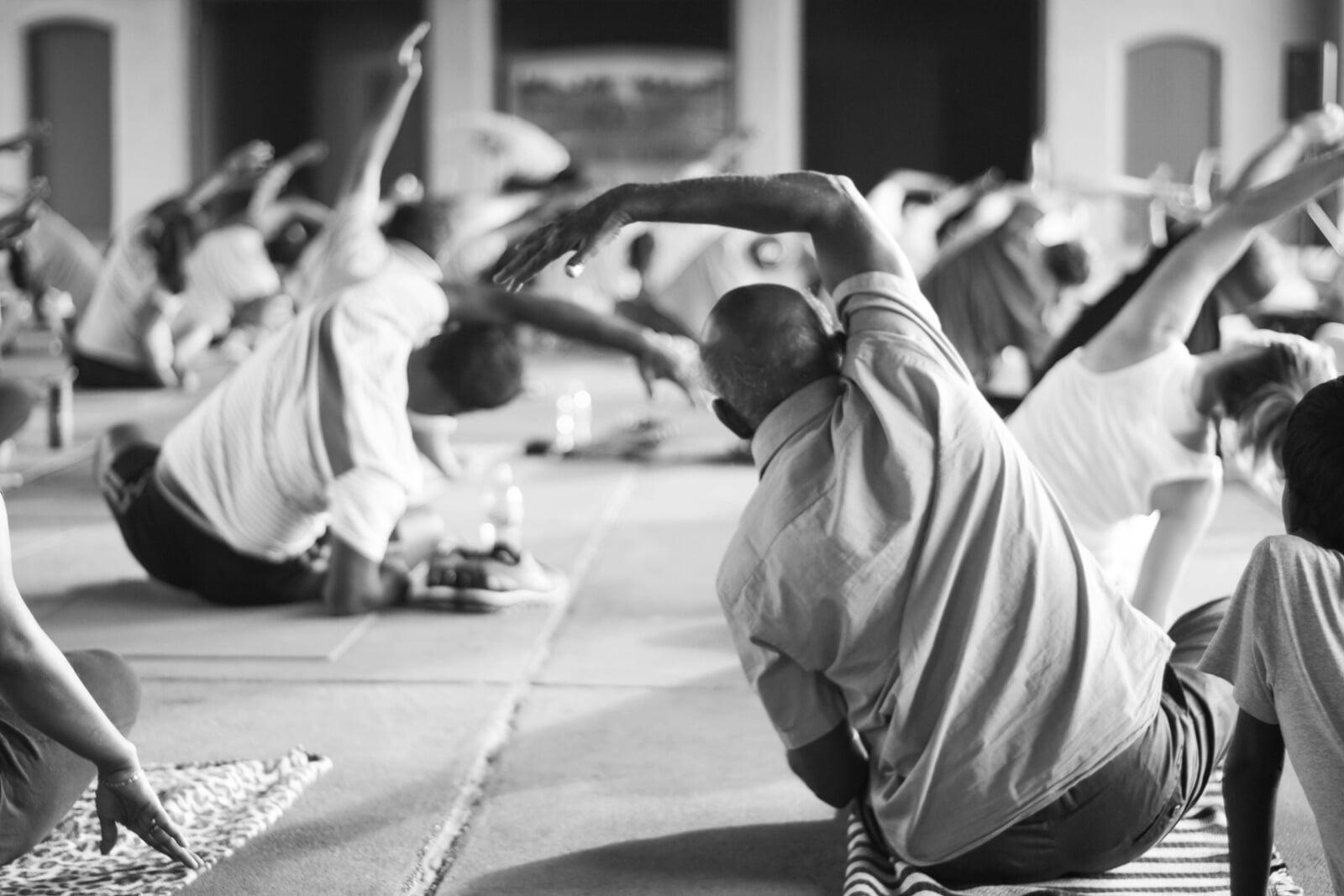
Healing cannot be regarded as a passive event that occurs while one reclines upon a bolster, but must be understood as a structural negotiation where stiff joints and a wandering mind are corrected only by the grit of an unyielding practice. There exists a necessary friction between the spirit and the physical casing, because the spine does not straighten through wishful thinking, but through the relentless application of alignment held long after the muscles have begun their protest. While a soft practice permits the thoughts to drift aimlessly, a disciplined method pins the mind to a single point of exertion to force a clarity that no relaxing melody can provide, as strength remains the only permanent solution to the infirmity of pain.
One must firmly do away with the notion that yoga is a species of spa treatment, because if the heart is not thumping against the ribs and the practitioner is not confronting the base desire to quit, they are merely engaged in stretching. Such light exercise is a pursuit fit for cricketers before a match, but remains entirely insufficient for a soul intending to master its earthly vessel through the arduous science of the breath and the bone. There is no gentle path to a mended back or quieted nerves, but only the daily, repetitive and difficult work of appearing upon the mat to demand more of oneself than was required the day before. Anything less than this total application of the self is a waste of a noble tradition and a intense disservice to the memory of the masters who preceded us in this difficult craft.